







Search Results for: Dried White Snake

A Hangzhou coffee shop launches a specialty drink decorated with real dried snakes, sparking heated discussion over "White Snake" and "Bamboo Leaf Green."
Competition for creativity among independent coffee shops is heating up. Some rely on photogenic interiors, some on word-of-mouth for their service, and others grab attention with unexpected, wildly imaginative ideas. Recently, a coffee shop in Hangzhou drew inspiration from local culture and the legend of "The White Snake" to launch two snake-themed specialty drinks for the Year of the Snake—White Lady and Trimeresurus stejnegeri—quickly going viral online because the drinks are garnished with a real dried white-banded snake. In photos taken by customers, the snake's scale pattern is clearly visible; some people said it made their skin crawl, while others, after trying it out of curiosity, said it tasted somewhat like fried grasshoppers. The shop revealed that for customers who are afraid of snakes, it may later switch to snake-element latte art instead. This article will walk you through the creative origins of this snake coffee, customer feedback, and related reminders from doctors. [more…]
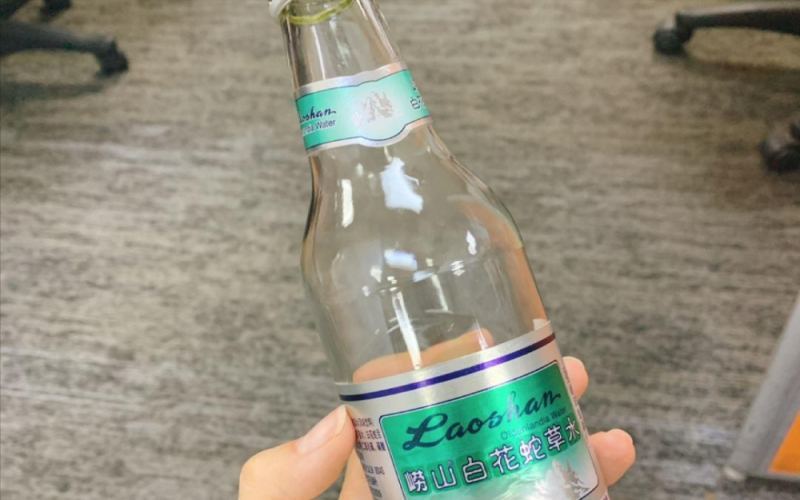
Tims partners with Laoshan Baihuasheshecao water to launch cold brew coffee, and Qingdao locals are crying foul
Laoshan White Flower Snake Grass Water has long been known as the "biological weapon" of the beverage world. When this drink, rated by countless netizens as the worst-tasting beverage, meets coffee, what kind of sparks will fly? Recently, Tims Coffee partnered with Qingdao Laoshan Mineral Water Company to launch Laoshan White Flower Snake Grass Water Cold Brew Coffee, sold only in Qingdao. As soon as the news came out, Qingdao locals expressed their resistance, while netizens elsewhere felt lucky they couldn't buy it. This article will take you through the story behind this hardcore special blend, and the curious early connection between White Flower Snake Grass Water and coffee. [more…]

Guming's Spring Festival Spinning Cup Sparks Controversy: Creativity Requires a Cup Sleeve, Missing Accessories at Multiple Stores Draw Consumer Complaints
Guming teamed up with Pan Hu Design Lab to launch a Spring Festival limited-edition "Fortune and Prosperity in Motion" themed packaging. One of the designs, a takeaway cup featuring a rotating interactive element, attracted considerable consumer interest thanks to its novel concept — some customers even placed orders specifically to collect the cup. However, many customers discovered upon receiving the actual product that the snake pattern on the cup body was hard to make out, and rotating the cup to the left as instructed produced no movement at all — a far cry from the dynamic effect advertised by the brand. Guming staff later explained that the rotating effect requires a special cup sleeve to work, and that this sleeve needs to be assembled. Due to the heavy order volume during the Spring Festival, some stores overlooked including it, which significantly undermined the customer experience. The incident sparked widespread discussion online, with some arguing that the promotional materials failed to clearly indicate the importance of the cup sleeve, while others pointed out that stores should ensure all accessories are complete before serving orders. [more…]

A Complete Analysis of Mexico's Coffee Regions: Varieties and Terroir from Chiapas to Puebla
When people think of coffee-producing countries in North America, Guatemala, Panama, Costa Rica, or Jamaica often come to mind first, while Mexico remains relatively lesser-known—yet in recent years it has performed remarkably well. This third-largest country in Latin America boasts complex terrain and climate, where volcanic soil and high altitudes provide ideal conditions for coffee cultivation. Of the nation's more than 500,000 producers, the vast majority are smallholders with less than three hectares of land, and cultivation is concentrated in sixteen southern states, with four—Chiapas, Oaxaca, Veracruz, and Puebla—accounting for over ninety percent of total output. This article will guide you through Mexico's geography and climate, the terroir characteristics of its four major producing regions, and principal varieties such as Typica, Bourbon, Caturra, Pacamara, and Geisha, with a special introduction to Garnica, developed by the Mexican Coffee Institute. Front Street Coffee will also share related bean recommendations in this article. [more…]

Nayuki partners with Harry Potter to launch house-exclusive drinks, and the release of co-branded merchandise sparks fan dissatisfaction.
The globally renowned IP Harry Potter has teamed up with Nayuki for a co-branded collaboration, launching limited-edition drinks and merchandise inspired by the four Hogwarts houses. However, controversy has dogged the campaign since its launch: the Slytherin house's signature drink, a fruit-and-vegetable blend of kale and kiwi, was mocked by fans as tasting like a "potion," while the other three were also criticized for various flaws; the uneven distribution of blind-box transparent cards in the merchandise further led consumers to question store operations. As an experienced co-branding player, Nayuki's performance this time has left many Harry Potter fans disappointed, dealing a double blow to both the campaign experience and brand goodwill. [more…]

Tims Tomato Americano Sparks Heated Debate: Employees Break Down During Taste Test, Consumer Reviews Polarized
Right after the Spring Festival holiday, Tims couldn't wait to launch two new spring drinks—Lucky Snake Fruit Americano and Provence Tomato Americano—promoting a healthy路线 of 0 fat, low calories, and real fruit juice. Among them, the tomato Americano quickly went viral for its bizarre pairing, but it also sparked polarized reviews on social media. Some found the taste so strange it was hard to swallow, with even employees saying they were崩溃 when taste-testing it; others were full of curiosity about the tomato flavor. Is this new product a bold innovation, or just another dark cuisine? Let's take a look at everyone's real feedback. [more…]
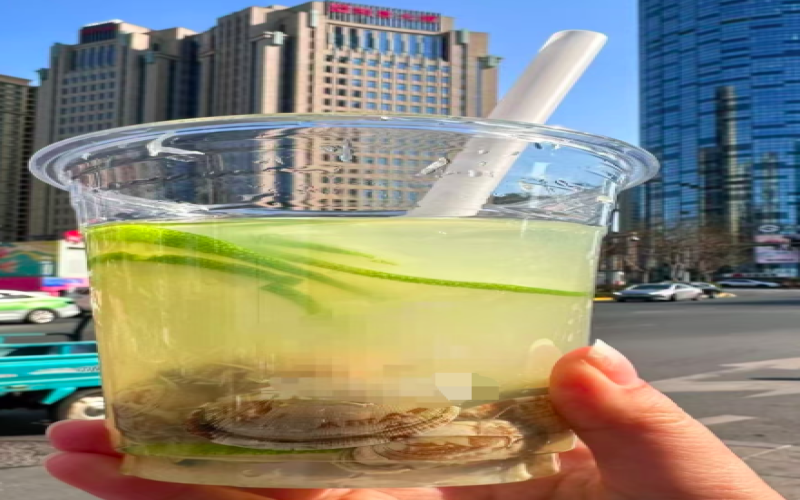
A milk tea shop in Qingdao has sparked discussion by launching clam milk tea. Can this creative drink made with clam broth be accepted by consumers?
Recently, a milk tea shop in Qingdao, Shandong launched a creative drink based on clam broth, quickly sparking widespread discussion on social media. The clam milk tea looks as clear as lemonade, with clam shells and lemon slices settled at the bottom of the cup, delivering a strong visual impact. Some people are eager to try it, some say it is hard to accept, and others have raised questions about its food safety. The store manager responded that the clam shells are only for decoration, and the drink does indeed contains broth simmered from Hongdao clams, mixed with perfume lemons and Laoshan white flower snake grass water. The product is currently still in the research, development and testing stage, and whether it will be launched in the future and how the formula will be adjusted remain to be seen. [more…]
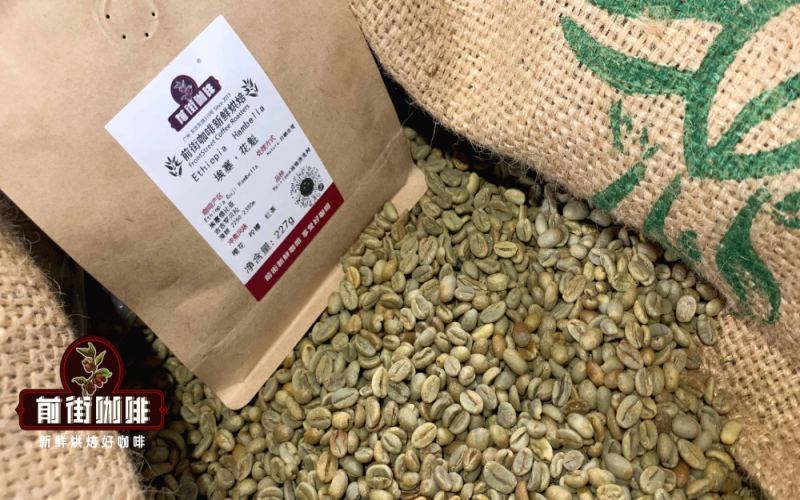
Ethiopia Sidamo Coffee Flavor Analysis: Washed and Natural Processing Characteristics and Hamasho 74158
Sidama is a well-known specialty coffee region in southern Ethiopia bordering Kenya, with elevations ranging from 1,400 to 2,200 meters. The terrain here is complex and varied, the volcanic soil is fertile and deep, and the microclimates together with countless native varieties combine to create coffees of extremely diverse styles. Beyond the widely known Huakui, Sidama has also produced many specialty beans worth attention, such as Front Street Hamasho with its delicate floral aromas. This article will review the geographical characteristics of Sidama and focus on the 74158 natural coffee from the Hamasho processing station, unfolding layer by layer from variety and processing method to flavor performance. [more…]

Introduction to Latte Art for Espresso: Master the Four Core Techniques of Height, Posture, Flow, and Control
Creating exquisite patterns on the surface of espresso is not out of reach, but the fluid dynamics when milk and coffee liquid meet truly require careful study. This article breaks down latte art techniques into four key elements: height, posture, flow rate, and control, helping coffee enthusiasts master the essentials step by step. From the initial height of pouring milk foam to the subtle swinging of the pitcher spout, from precise control of flow rate to the rhythmic variations of different patterns, each step is accompanied by specific operational instructions. The article also specifically mentions relevant product information from Front Street Coffee, providing readers with practical references. Whether you want to make a classic heart shape or challenge the Rosetta and tulip, these basic exercises are worth repeated study. [more…]
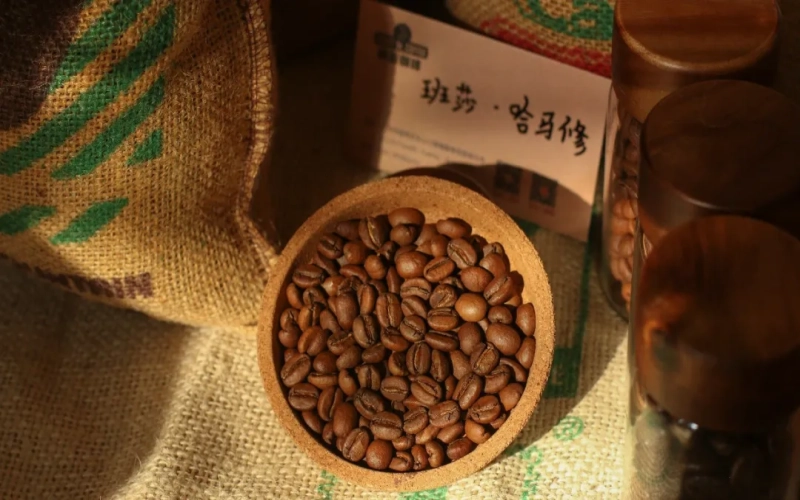
Ethiopia Bensa Hamasho Processing Station Natural 74158 Coffee Flavor Analysis and Brewing Parameters Sharing
This coffee, brought to you this time by Front Street, comes from the Hamasho processing station in the Bensa region of Ethiopia. It is sun-dried and of the 74158 variety. The combination of superior terroir, meticulous post-harvest processing, and a single disease-resistant variety allows this bean to display a distinctive flavor profile. From the dry aroma during grinding to the layered changes after sipping, it left a deep impression on Front Street. This article will introduce the background of the Hamasho processing station, the characteristics of the 74158 variety, and the sun-dried processing flow, and share the parameters and flavor experience Front Street used when actually brewing this bean, for coffee lovers' reference. [more…]

Luckin's "Creation of the Gods II" collaboration drink sparks controversy over taste, limited cup sleeves absent due to printing issues
Luckin Coffee's co-branding campaign with the Lunar New Year film "Creation of the Gods II" has officially launched, with the simultaneous release of a pistachio latte and movie-themed merchandise. However, the first batch of consumers who tried the new product gave polarized reviews of its taste, with many reporting a noticeable greasiness and the inability to substitute oat milk with regular milk. Even more surprising to merchandise collectors was that the co-branded limited-edition cup sleeves were urgently recalled by headquarters due to a printing error, and themed cup sleeves would no longer be offered during the campaign. Meanwhile, misprinted cup sleeves have appeared for sale at high prices on second-hand platforms, sparking considerable skepticism. This article will sort through the sequence of events and the reactions from all sides. [more…]
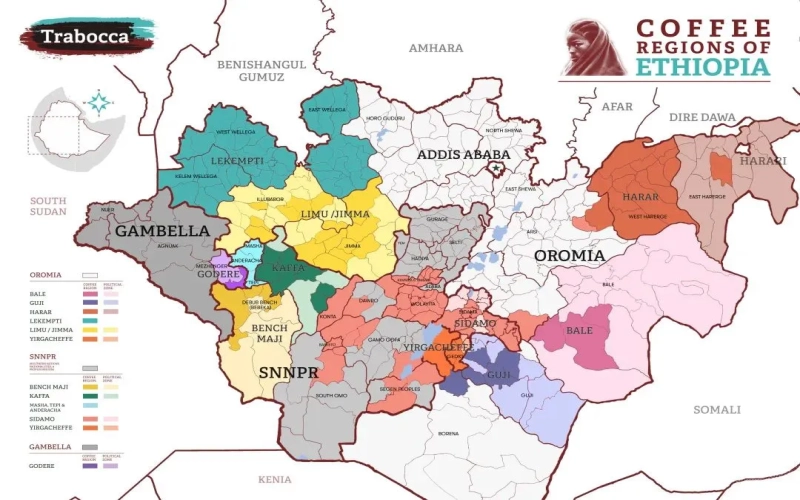
Exploring Ethiopia's Sidamo Region: Flavor and Background Analysis of Guji and Hambela Coffee Beans
African coffee enjoys a stellar reputation in the global market, and Ethiopia, as the recognized birthplace of coffee, is not only Africa's largest Arabica producer but also boasts a long history of cultivation. The country is predominantly mountainous plateaus, and its high altitudes, abundant rainfall, and fertile soil provide an ideal environment for coffee. Sidamo is one of its most closely watched producing regions, and in recent years its sub-regions such as Arbegona's Rumudamo and Bensa's Hamasho have gradually come into the public eye. Rumudamo Company made its name in Ethiopia's first COE competition in 2020, and Hamasho Processing Station also performed impressively in the COE. Front Street Coffee has already purchased these two lots of beans and completed cupping: Rumudamo presents lime aroma with citrus and apple flavors, while Hamasho carries floral, berry, and grape juice notes. This article will introduce in detail the background, company information, and coffee flavors of these two sub-regions. [more…]
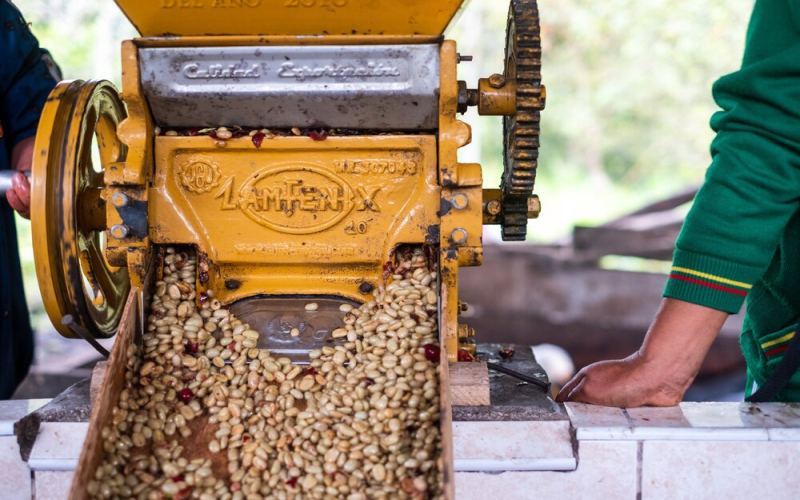
Comparison of Ethiopia's Two Major Specialty Coffee Regions: Flavor Differences Between Yirgacheffe and Sidamo and Representative Bean Recommendations
Ethiopia is a genetic treasure trove of Arabica coffee, and among its regions, Yirgacheffe and Sidamo are the two most frequently mentioned by coffee enthusiasts. Yirgacheffe is known for its citrus and floral notes, while Sidamo is celebrated for its diverse fruity and floral harmony and wild flavors. This article will compare the two from the perspectives of regional geography, altitude and climate, and varietal characteristics, while also introducing representative single-origin beans such as Front Street Coffee Yirgacheffe Gutingding, Front Street Coffee Red Cherry, Front Street Coffee Huakui, and Front Street Coffee Hamashu, to help readers more clearly understand the flavor profiles of these two regions and provide a reference for everyday purchasing. [more…]
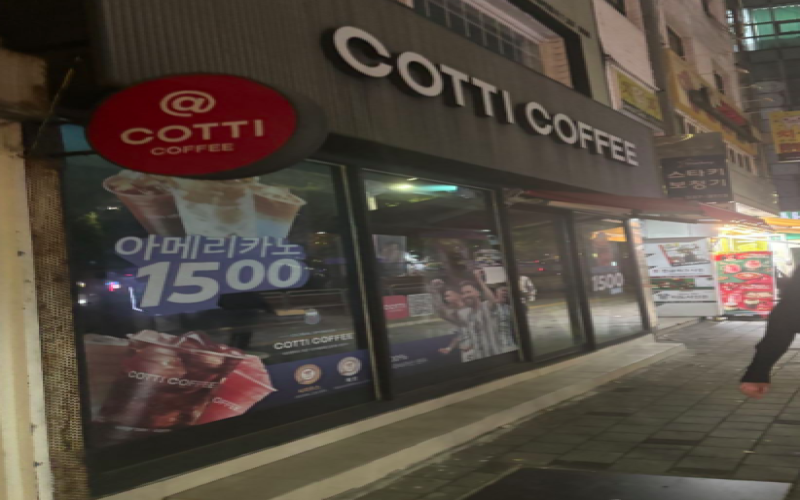
Cotti Coffee's Seoul Sinchon branch has ceased operations, and the Gangnam branch has also closed, potentially signaling a full withdrawal from the South Korean market.
Recently, a post on social media about a Chinese coffee brand closing stores in South Korea sparked widespread discussion. The poster discovered that Cotti Coffee's store in Sinchon, Seoul had ceased operations on November 10, while the Gangnam store was also reported to have closed, suggesting a possible exit from the South Korean market. Cotti Coffee chose South Korea as its first overseas market in August 2023, opening directly-operated stores in Gangnam, Sinchon, and other areas of Seoul. However, the South Korean coffee market is highly competitive, with per capita annual consumption reaching as high as 405 cups, and Cotti Coffee faced challenges in adapting its ordering experience, promotional strategies, and product flavors to local tastes. Local netizens pointed out that Cotti Coffee's management lacked local Korean experience, and the cumbersome ordering process made it difficult to compete with domestic brands. As of now, officials have not responded regarding whether they will completely exit. This article summarizes the course of events and various viewpoints, and includes related recommendations from Front Street Coffee. [more…]
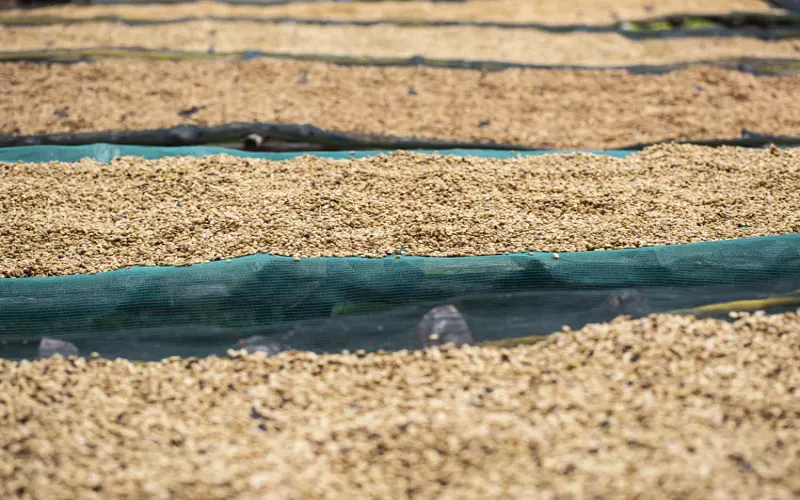
Pour-Over and Cold Brew Coffee Bean Recommendations | Where Are Ethiopia's Specialty Coffee Regions? What Is the Relationship Between Yirgacheffe Coffee and Sidamo Coffee?
For more specialty coffee knowledge, please follow our WeChat official account: Front Street Coffee (FrontStreet Coffee). When it comes to Ethiopia's specialty coffee regions, many people will without hesitation name Yirgacheffe and Sidamo. What are the differences between the coffees from these two regions? This time we will [more…]

Is Turkish coffee fortune-telling really accurate? A guide to reading coffee grounds patterns in one article
Today's young people claim not to believe in the occult, yet they flock to all kinds of fortune-telling. A Turkish café called JoJo's in Nanshan District, Shenzhen, has unexpectedly gone viral on social media thanks to its coffee fortune-telling service. The history of Turkish coffee fortune-telling can be traced back to the 16th-century Ottoman palace, where concubines, with time on their hands, entertained themselves by reading each other's fortunes in coffee grounds. Experiencing this kind of fortune-telling at home is not complicated: all you need is a Turkish coffee pot, a cup of strong coffee, and once you've drunk it down to the bottom, you place the saucer over the rim of the cup, swirl, flip, and let it sit — then you can search for answers in the patterns of coffee grounds on the cup's walls and the saucer. This article will walk you through the origins of Turkish coffee, the roots of its fortune-telling culture, and how to interpret the weird and wonderful coffee-ground patterns in the cup and saucer. [more…]
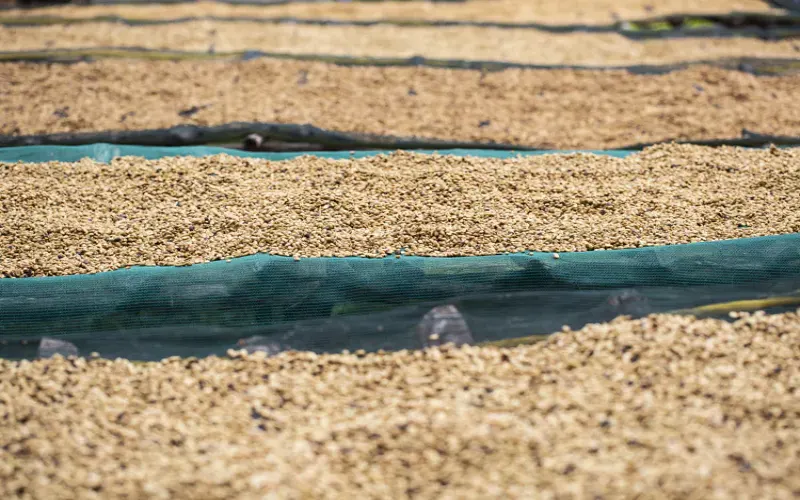
Comparison of Ethiopia's Two Major Specialty Regions: Flavor Differences Between Yirgacheffe and Sidamo and Recommended Representative Beans
Ethiopia is the birthplace of specialty coffee, and among its regions, Yirgacheffe and Sidamo are the two best known. Yirgacheffe is celebrated for its citrus florals and crisp tea-like clarity, while Sidamo wins fans with its diverse flavors and untamed charm. This article systematically breaks down the differences between the two—from regional geography, altitude and climate, to signature beans and brewing recommendations—and includes detailed parameters and brewing recipes for several Ethiopian beans from Front Street Coffee. Whether you're a coffee lover just getting started or a seasoned enthusiast hunting for new beans, you'll find the cup that suits you. [more…]
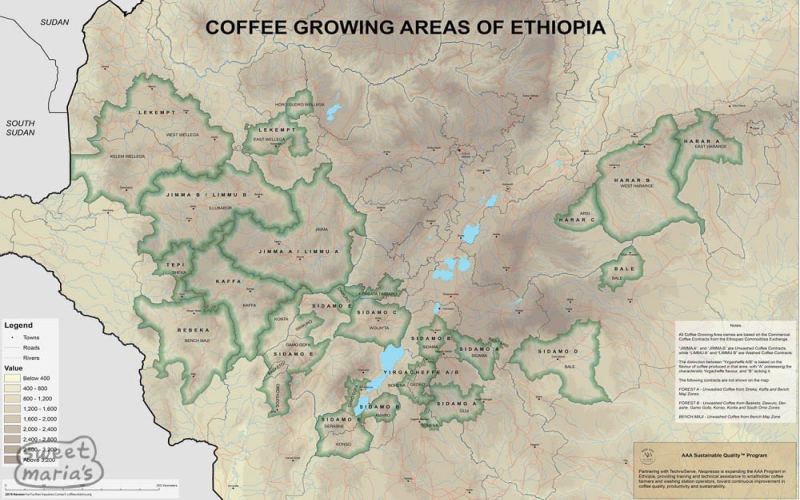
A Complete Analysis of the Flavor Differences Between Yirgacheffe and Sidamo Coffee: Regional Characteristics and Front Street Coffee's Popular Bean Recommendations
Ethiopia's Yirgacheffe and Sidamo are the two major regions most often compared in the specialty coffee world. Though they lie within the same country, differences in altitude, soil, climate, and variety give them distinctly different flavor profiles. Yirgacheffe is known for its citrus acidity and delicate floral aromas, while Sidamo is celebrated for its berry notes, fermented flavors, and diverse terroir. This article examines the differences between the two—from regional geography and representative bean varieties to processing methods and brewing recommendations—and recommends several popular Front Street Coffee beans to help coffee lovers more clearly choose the cup that suits their taste. [more…]
What is the difference between Yirgacheffe and Sidamo? A comprehensive analysis of Ethiopia's two major specialty coffee regions
Yirgacheffe and Sidamo are the two most prominent specialty coffee regions in Ethiopia. The former is famous for its citrus and floral notes, while the latter is known for its diverse flavors and wild charm. Geographically, they once belonged to the same larger region, but later became independent due to their unique flavors. This article will systematically compare the similarities and differences between these two regions from the perspectives of altitude, climate, soil, and representative coffee beans, and provide detailed recommendations and brewing suggestions for a variety of Ethiopian specialty beans from Front Street Coffee, including Yirgacheffe Guddina, Red Cherry, Huakui, and Hamasho, helping coffee enthusiasts gain a deeper understanding of the diverse charm of Ethiopian coffee. [more…]
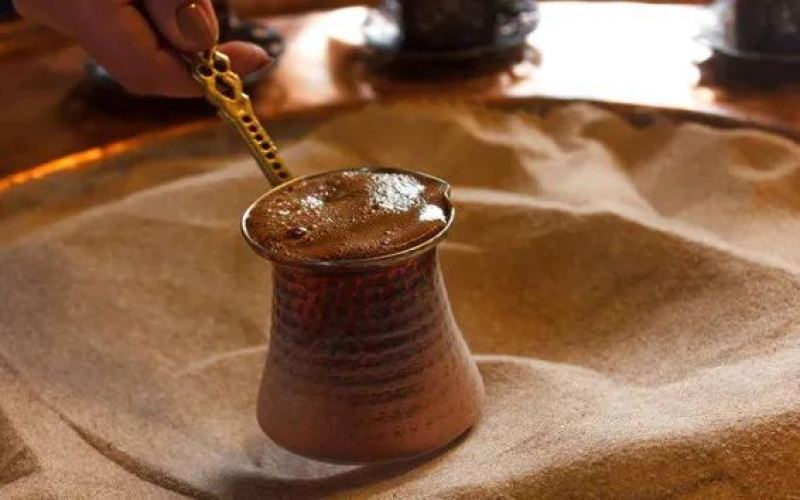
Why Isn't Turkish Coffee Filtered? A Complete Guide to the Meanings of Fortune-Telling Patterns and Their Cultural Origins
Turkish coffee is famous for its unique brewing method and rich cultural flavor. It does not use filter paper; it is drunk together with the grounds and liquid, and is made by repeatedly boiling three times in hot sand. Passed down from the Ottoman Empire to the present day, this coffee is not only a beverage but also carries the tradition of fortune-telling. This article will guide you through the historical origins, brewing principles, and steps of Turkish coffee, and provide a detailed analysis of the meanings of common patterns in coffee ground fortune-telling, such as the full moon, half moon, heart shape, and ring, allowing you to fully appreciate the charm of this ancient coffee culture. [more…]